In the competitive landscape of 2026, Occupational Health and Safety (OH&S) is no longer just a regulatory burden—it is a financial strategy. ISO 45001, the international standard for OH&S management systems, has become a powerful lever for organizations looking to significantly reduce their insurance costs, particularly in workers’ compensation and general liability.
Insurance underwriters determine premiums based on risk. The more an organization can prove it has a systemic, proactive approach to preventing injury and ill-health, the more favorable its insurance terms become.
How ISO 45001 Cuts Insurance Premiums
1. Improving the Experience Modifier Rate (EMR): The EMR gauges your past cost of injuries and future risk. An EMR above 1.0 increases your premiums. By implementing the Plan-Do-Check-Act (PDCA) cycle, organizations move from reacting to accidents to preventing them, which can result in premium discounts of 20% to 40% over a three-year window.
2. Demonstrating “Best-in-Class” Risk Control: Having an ISO 45001 certification acts as a “seal of safety.” Underwriters are more likely to apply discretionary credits when they see a certified management system that includes top management commitment and worker participation.
3. Lowering Legal Defense Costs: ISO 45001 requires rigorous documentation. In the event of a claim, this “audit trail” provides a strong defense, proving the organization took all “reasonably practicable” steps to ensure safety, thereby reducing punitive damages and legal fees.
Financial Cost & ROI Analysis
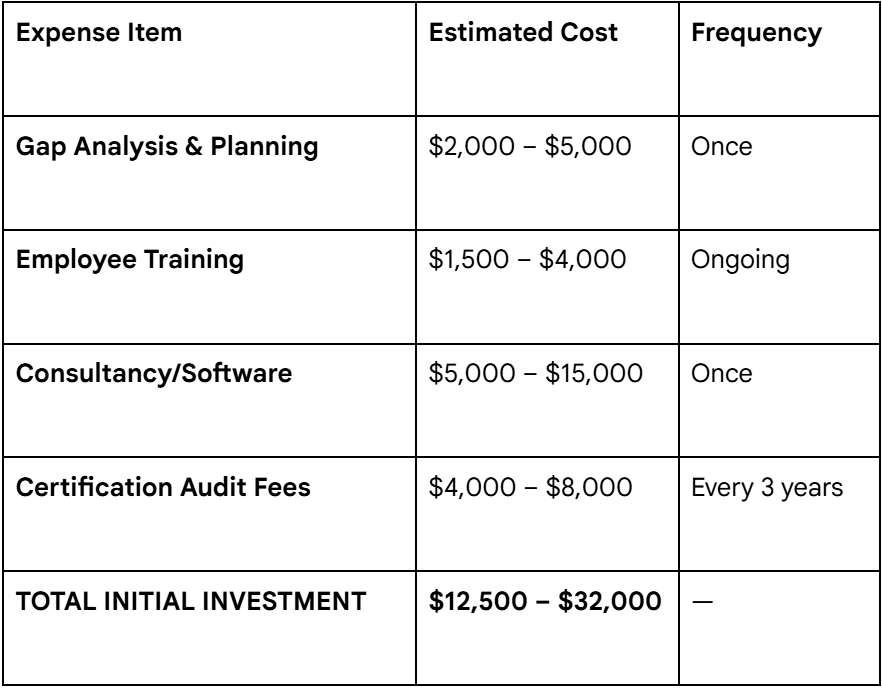
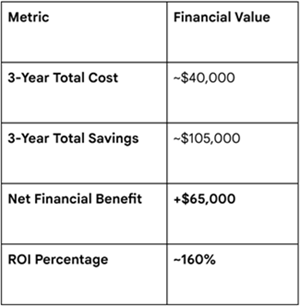
To truly understand the value, one must weigh the upfront investment against the long-term savings. For a typical mid-sized company (~100 employees), the numbers often look like this:
1. The Investment (Implementation Costs)
2. The Return (Annual Savings)
- Direct Insurance Savings: Most firms see a 10% to 20% reduction in premiums. On a $100k Workers’ Comp policy, that is a $15,000 annual saving.
- The “Iceberg” Effect (Indirect Costs): For every $1 spent on direct injury costs, a company spends $4 on indirect costs (lost productivity, replacement hiring, and investigation). Preventing just one moderate lost-time injury can save an organization roughly $80,000 in total impact.
3-Year ROI Summary
The “Certification Dividend”
By aligning with ISO 45001:2018 (and the latest 2026 guidance on psychological safety), organizations transform safety from a cost center into a value driver. Many insurers now offer specific premium credits just for maintaining this certification, acknowledging that a certified firm is a “safer bet.”
About The Author
Oscar Combs is the President of ISO Certifications Group, a certification body headquartered in Houston, Texas. With over 31 years of experience in the field, he is recognized as an expert in management systems that help organizations manage risk and improve operational efficiency.
ISO Certifications Group
ISO Certifications Group is an accredited ISO certification body that certifies ISO 9001, ISO 14001, ISO 45001 and ISO 50001 Management Systems for organizations. Contact us at info@isocertificationsgroup.com for more information or www.isocertificationsgroup.com.
Watch our YouTube Video about this article.